Half an Acre or Half a Section: Weld County, Colorado Mineral Values
MINERAL RIGHTS & ROYALTIES
What could your mineral rights be worth?
Tell us a little about your interest. Get a free, no-obligation review from Selling My Mineral Rights.
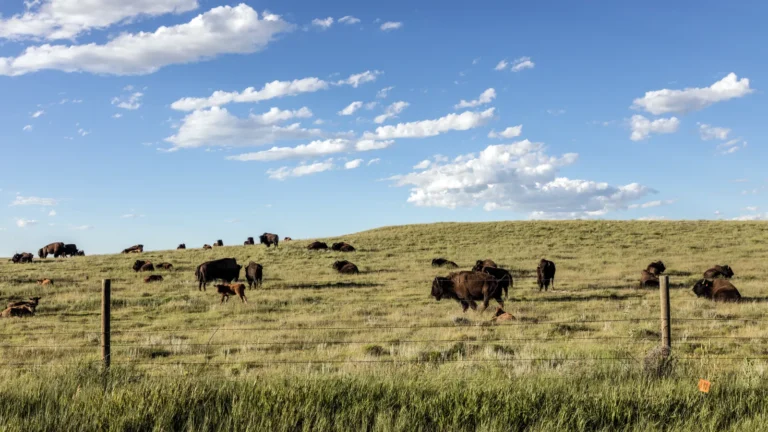
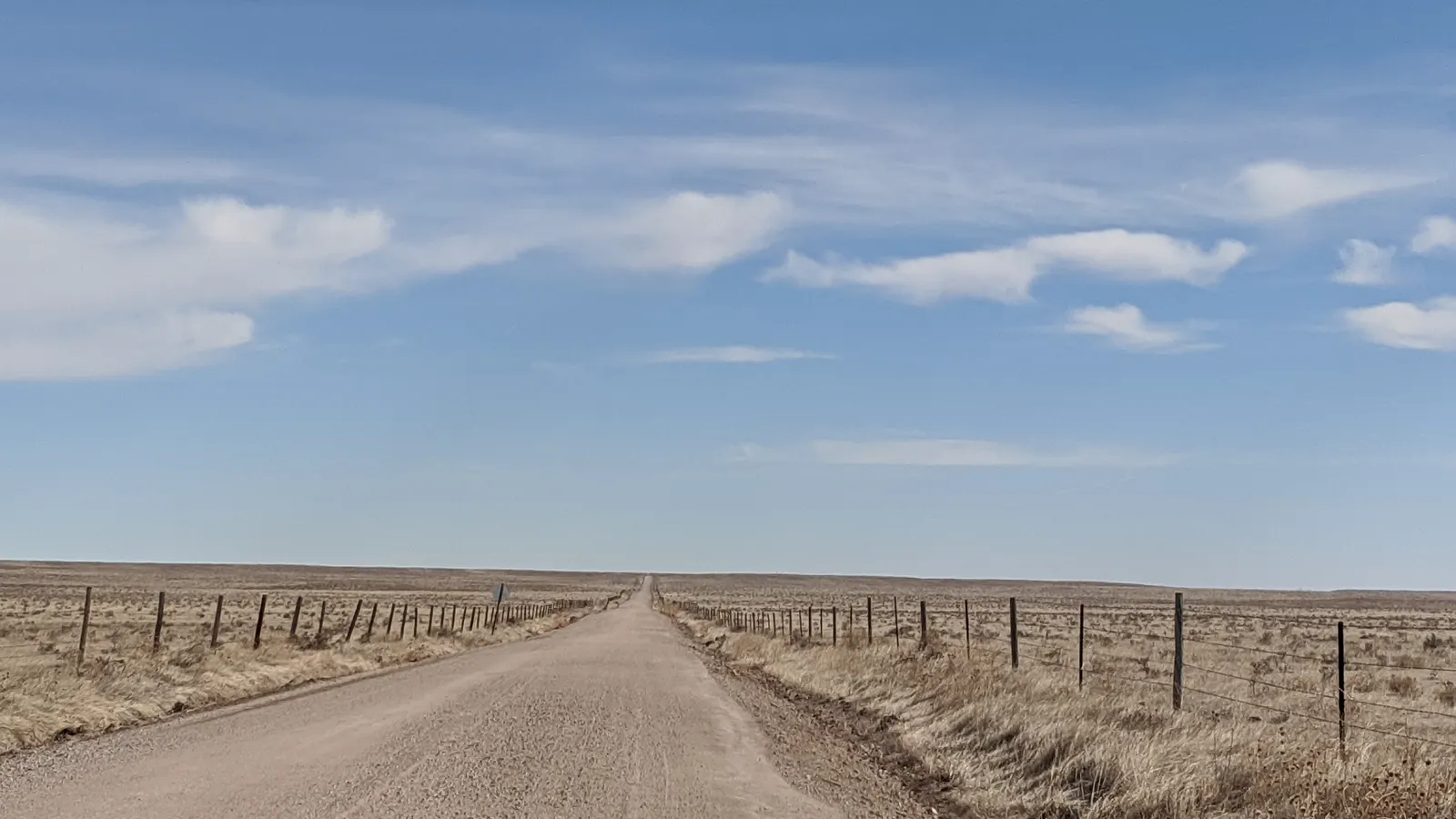
Two people can both own mineral rights in Weld County, Colorado and be holding assets with almost nothing in common. One owns eighty net mineral acres under a quarter section of dryland wheat northeast of Greeley. The other owns an undivided sliver under a subdivision street in Firestone, kept back by a grandparent who sold the farm. Same county, same rock, same operators — completely different answers to “what is this worth?” The arithmetic that makes a large Weld interest valuable is exactly what makes a small one nearly untradeable.
Two mineral markets sharing one set of formations
Weld produces roughly four-fifths of Colorado’s crude oil and continues to dominate state output. That concentration is why buyers pay attention to Weld at all.
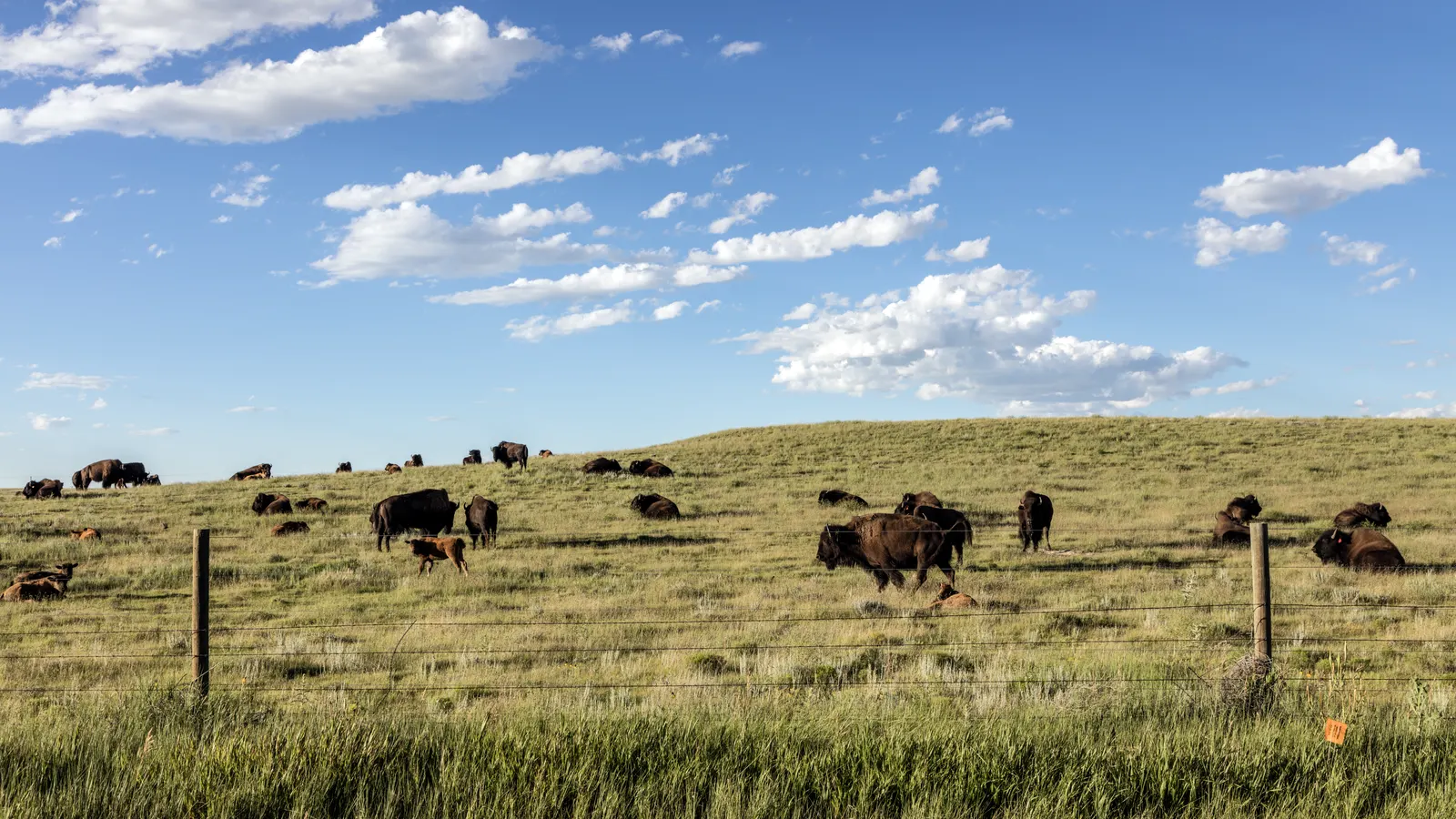
But the ownership pattern is split. East and north of Greeley, minerals still sit under working farms in recognisable chunks — quarter sections, half sections, sometimes whole sections held by one family. Along the southwestern edge, around Erie, Frederick, Firestone, Dacono and Fort Lupton, the mineral estate was severed decades ago and the surface then subdivided into house lots. Minerals there are often held in hundreds of tiny undivided shares by heirs who have no idea they own anything.
The rock: Niobrara benches and the Codell beneath them
Under both owners sits the same stack. In the Denver-Julesburg Basin the Niobrara Formation lies roughly 5,500 to 8,500 feet deep, split into three chalk benches conventionally called A, B and C. Below the C bench, beneath the thin Fort Hays limestone, sits the Codell, a tight sandstone rarely more than about thirty-five feet thick that thins out toward the east.
Benches matter because each is a separate target. An acre that supports economic wells in the B, the C and the Codell carries more future wells than one where only the B works. Pricing your interest is largely a matter of counting undrilled locations and estimating how far out they sit — which is why offers fall away as the Codell thins eastward, off the Wattenberg core.
The arithmetic that separates the two owners
Your royalty decimal is net mineral acres divided by the acres in the drilling and spacing unit, times your royalty rate. DJ units are large because laterals are long — two-mile laterals commonly sit in units of around 1,280 acres.
Take a 1,280-acre unit and a 1/8 royalty. The owner of 2 net mineral acres gets 2 ÷ 1,280 × 0.125 — a decimal of 0.000195. If the unit’s wells sold $2 million of oil and gas in a year, that is a gross share of about $390, before severance withholding and post-production deductions. The farm owner with 80 net mineral acres holds 0.0078125, or roughly $15,625 on the same production. A 3/16 lease lifts both by half without changing the relationship. Both are real income; only one is an asset a buyer can underwrite, because the cost of running title and recording a deed in Greeley does not shrink with the interest.
The hundred-dollar rule, and how small Weld interests go quiet
Colorado’s payment-of-proceeds statute, C.R.S. 34-60-118.5, sets the rhythm: first payment within six months of the end of the month production is first sold, then monthly — sixty days for oil, ninety for gas. Late payments carry simple interest at twice the Kansas City Fed discount rate for the year withheld.
Then the provision that shapes small-interest life here: payment may be made annually if the total due over twelve consecutive months is one hundred dollars or less. A two-acre owner clears that in a strong year and falls under it as the wells decline. A payer may also lawfully withhold where you have not confirmed your fractional interest in writing, where there is reasonable doubt about identity, whereabouts or title, or where litigation would affect distribution.
Add an address change or a death in the family and the annual check stops arriving — but the money does not vanish. Suspended royalties escheat, and oil and gas royalties are an explicit category in the Great Colorado Payback, the State Treasury’s unclaimed property program, which accepts claims with no time limit. If you suspect a Weld interest in your family, that database is a free search.
Severance tax, the 1% withholding and the stripper-well line
Colorado taxes severance on a graduated scale against gross income: 2% under $25,000, 3% to $99,999, 4% to $299,999, and 5% above $300,000. Payers withhold 1% of gross income from royalty disbursements and report it annually on Form DR 0021W.
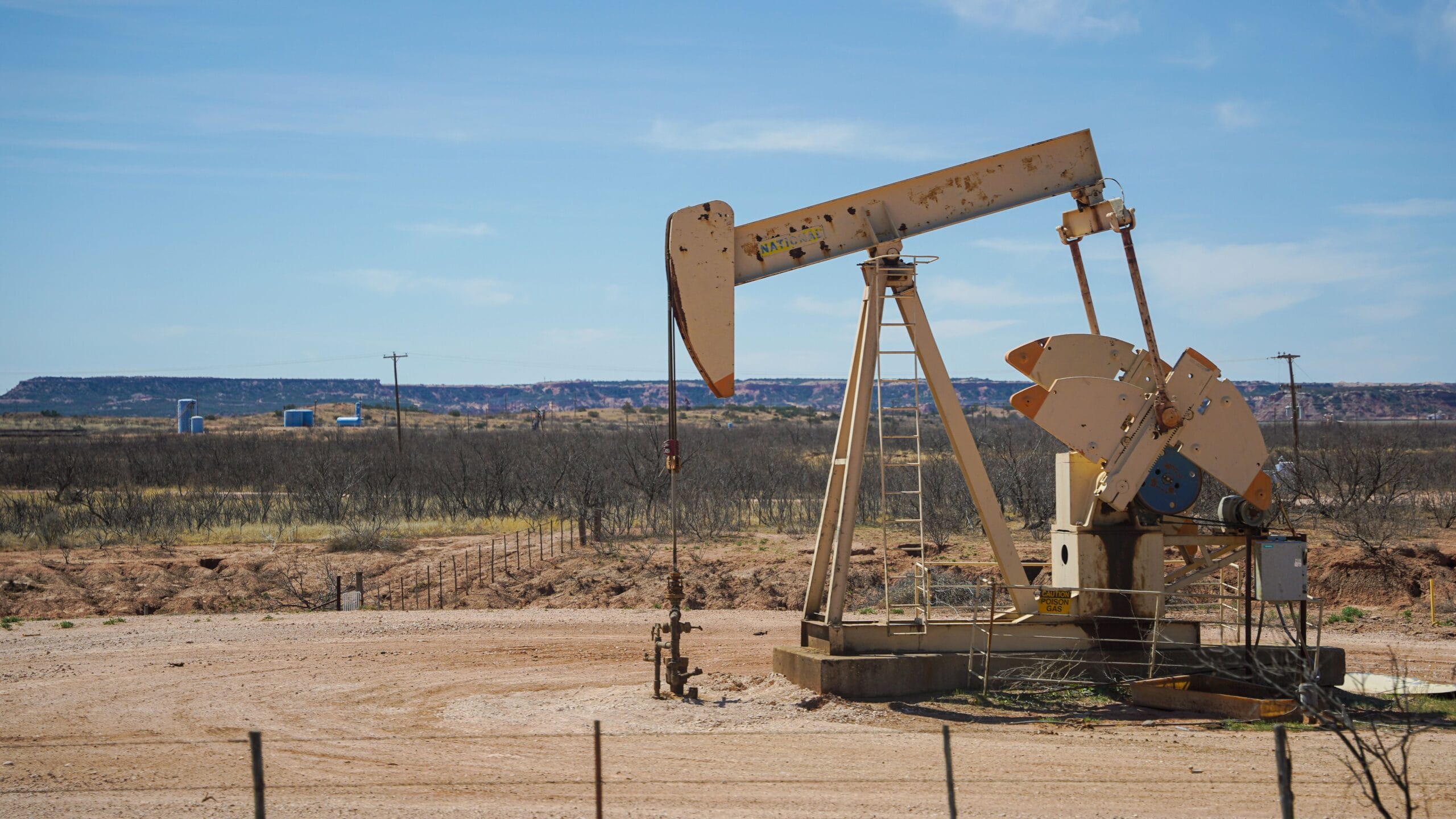
The exemption worth knowing is the stripper well exemption: production is exempt where an oil well averages 15 barrels a day or less, or a gas well 90 Mcf a day or less, across all producing days in the year. Weld is full of older vertical Wattenberg wells near that line, and an owner whose income is all stripper production may receive no DR 0021W at all — which is not the same as owning nothing, and is a common reason people assume an interest lapsed.
What “45 percent” means if you never signed a lease
Unleased Weld owners — disproportionately the small subdivision fractions — sit inside a pooling regime that has tightened twice. SB 19-181 requires that owners of more than 45% of the interests to be pooled have joined the application, and that the operator tender a good-faith lease offer at least sixty days before any hearing. SB 24-185, effective August 7, 2024, added an affidavit for that threshold, a right to protest sixty days before the hearing, and from January 1, 2025 a bar on drilling in a unit containing rejecting unleased owners until a pooling order is entered. The regulator is now the Energy and Carbon Management Commission, renamed from the COGCC in July 2023; older orders in your file still say COGCC.
Why the name on your check keeps changing
Chevron bought Noble Energy in 2020 and Denver-based PDC Energy in 2023. Occidental holds the former Anadarko and Kerr-McGee position. Civitas — itself a roll-up of Bonanza Creek, Extraction and Crestone Peak — combined with SM Energy in an all-stock merger completed on January 30, 2026, under the SM Energy name, creating a company worth about $12.8 billion including debt.
A new payor name usually means a fresh division order and a gap in payments while the transfer clears — not a problem with your title. It also means fewer parties bidding on your acreage than at the peak, and more patient development, which pushes undrilled locations further out and lowers what anyone pays today for the promise of them.
Realistic ranges — and why the small owner’s answer differs
Producing Weld royalties are underwritten from cash flow: a buyer discounts remaining production, then adds a separate, more heavily discounted value for undrilled benches. Offers are often quoted as a multiple of recent monthly royalty, widening with bench inventory, operator quality, the strip and how far past its initial decline the well is. Non-producing, unleased minerals are a different exercise: in quiet parts of Colorado they are worth very little per acre, while Weld acreage near active permits and infrastructure has drawn bonus payments from tens to several thousand dollars per acre.
For a one- or two-acre fraction the honest answer is uncomfortable: the fixed cost of a clean, title-checked sale can be a meaningful share of the price. Three responses make sense — hold it and keep your address current with the payor; sell alongside neighboring heirs so one title run covers several tracts; or take a small cash sale to stop administering the thing. Pretending the fraction is worth what an eighty-acre block is worth is not one of them.
When not to sell in Weld County
- Your wells are under roughly eighteen months old. Early DJ production declines steeply, and a buyer models that curve better than you can. Wait for the flattening.
- Your acreage sits in an approved comprehensive area plan with permitted but undrilled locations. You are being asked to sell the option just before it is exercised.
Get your title straight first
Every Weld conveyance runs through the Weld County Clerk and Recorder’s Recording Department at 1250 H Street in Greeley, which holds recorded documents back to 1865 and offers public terminals and an online search. Start with the deed that created the severance.
Good news for the heir who has just found an old interest: Colorado has no dormant mineral act of the kind Ohio operates under its twenty-year statute. A severed Colorado mineral interest does not lapse because nobody touched it for forty years. It can still be lost in other ways: unpaid property taxes on severed minerals can end in a treasurer’s deed, and quiet title actions are another risk.
Whichever owner you are, the sequence is the same: establish your net mineral acres, confirm your units, pull twelve months of statements, then ask what the interest is worth. A valuation offered before those four things are known is a guess. Our Weld County, Colorado mineral rights page sets out how we evaluate interests here and has a short form to start; you can also reach us through our contact page. We will say plainly if holding is the better move — including on the small fractions, where it often is. Either way, talk to a CPA about basis first. The same subdivision-fraction arithmetic turns up further down the Front Range, where our Adams County mineral rights page covers interests under built-out ground. If you own minerals elsewhere in Colorado, see how to sell Colorado mineral rights.
MINERAL RIGHTS & ROYALTIES
Ready to explore an offer for your mineral rights?
Tell us a little about your interest. Get a free, no-obligation review from Selling My Mineral Rights.