Old Gas, Flat Decline: What Rio Arriba County, New Mexico Royalties Are Worth
MINERAL RIGHTS & ROYALTIES
What could your mineral rights be worth?
Tell us a little about your interest. Get a free, no-obligation review from Selling My Mineral Rights.
If you own a royalty interest in Rio Arriba County, New Mexico, there is a fair chance the wells paying you were drilled before you were born. That is not a weakness to apologize for — it is the most important fact about what your interest is worth. Valuing a mature San Juan Basin interest runs on almost the opposite logic to a Permian interest in Lea or Eddy County. Down south the question is how many more wells are coming. Here it is how flat the tail is.
Why a Well From 1978 Can Earn a Higher Multiple Than One From 2024
Every well follows a decline curve, but the shape matters more than the starting point. A new horizontal shale well arrives loud and fades fast — losing more than half its initial rate inside twelve months is normal, so a buyer must assume most of the money arrives early.
A conventional gas well forty years into production has already done its steep declining. What remains is the terminal portion of the curve, where annual decline settles into single digits and stays there. Last month’s check therefore predicts the check three years out far better than on a young shale well — and buyers apply a higher multiple of current income to a flat producer, because less of the value rests on a forecast that could be wrong.
Flat is not permanent. Every well has an economic limit — where the gas no longer covers compression, water handling and maintenance — and at that point the operator plugs it and the royalty stops. The honest framing is stable income, little growth, a real question mark at the far end.
The Column Under Your Tract: Fruitland Coal Down to the Dakota
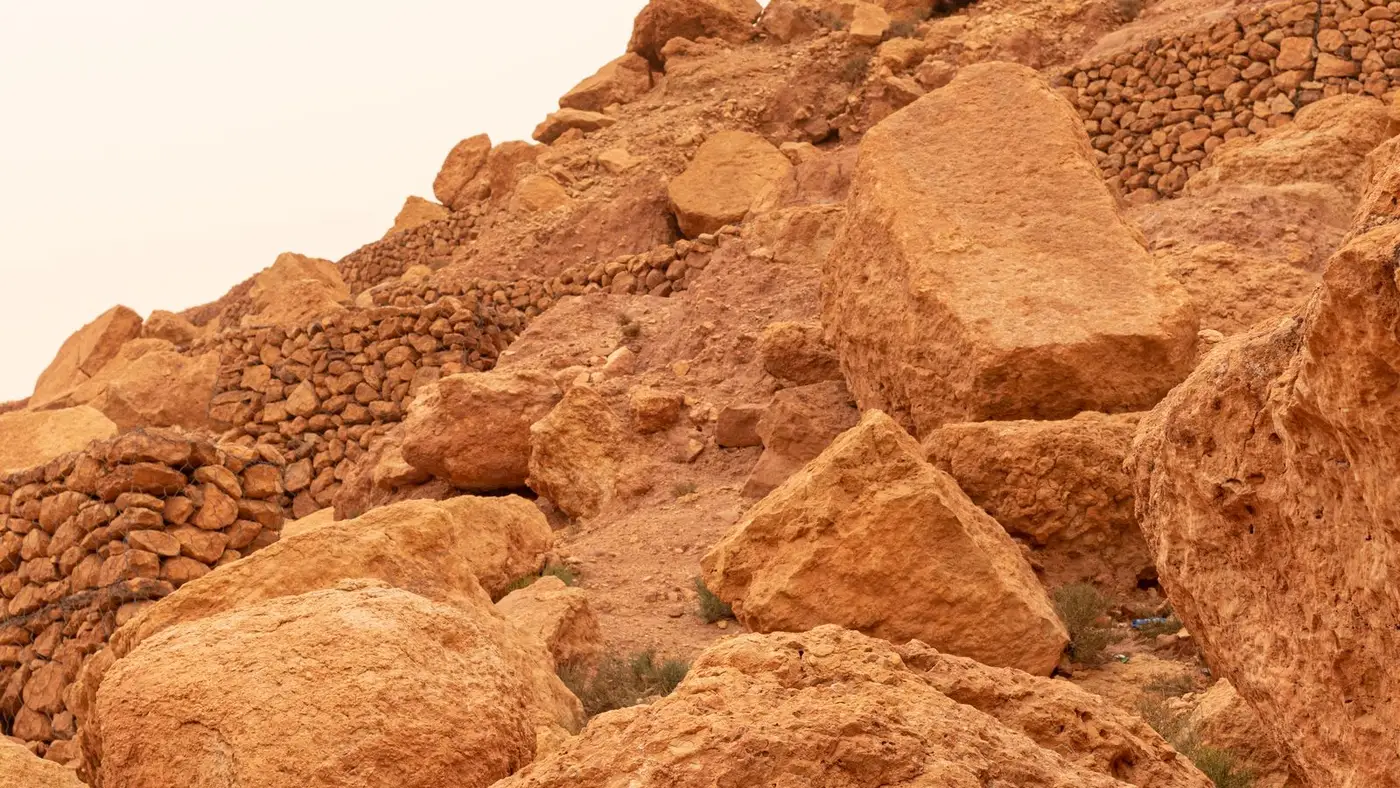
Rio Arriba sits over a genuinely stacked section, and the order matters because your tract may be produced at several depths by different wells under different leases. Shallowest to deepest: the Fruitland Coal, source of the basin’s coalbed methane; the Pictured Cliffs sandstone beneath it; the Mesaverde Group sandstones, historically the workhorse reservoir; the Mancos Shale with its Gallup sandstone member, where modern horizontal drilling happens; and deepest, the Dakota sandstone.
This is why two owners with identical-looking acreage can hold very different interests. One may have a single old Mesaverde royalty; another may be paid from Fruitland Coal, Mesaverde and Dakota wells on the same description, each with its own unit, decimal and decline. The first job in any valuation is establishing which zones you are paid from, and whether any depths are unleased.
320-Acre Spacing, Set in 1949, and What Infill Wells Do to Your Check
The Blanco-Mesaverde Gas Pool, spanning Rio Arriba and San Juan counties, is still administered on 320-acre spacing units — rules adopted in 1949 on the assumption that one well would adequately drain 320 acres, an assumption modern completions have comprehensively overtaken. Current rules allow up to four wells in a 320-acre unit, no more than two in any 160-acre half; beyond that requires a density exception from the New Mexico Oil Conservation Division after notice and hearing. Hilcorp has repeatedly sought exactly those exceptions.
The consequence for a royalty owner is often misunderstood. An infill well inside your existing unit does not change your decimal — that is fixed by your net mineral acres divided by unit acres, times your royalty rate. What changes is the volume flowing through it: same fraction, more gas. A well in the unit next door does nothing for you, however close it looks on a map.
Hilcorp’s 2026 Plan for Trust Properties Is Small, and Most Projects Are Not New Wells
Hilcorp Energy is the dominant operator on the New Mexico side of the basin, with smaller companies such as High River Resources also active in Rio Arriba. Because the San Juan Basin Royalty Trust holds an interest in Hilcorp-operated properties and reports publicly, owners get a clear view of how the basin’s largest operator spends on part of its acreage.
For 2026, Hilcorp’s plan for the Trust’s properties, about 151,900 gross acres in San Juan, Rio Arriba and Sandoval counties, runs to roughly $14.0 million over 32 projects. About $11.5 million goes to fifteen new drilling projects — nine vertical wells targeting the Mesaverde, Mancos and Dakota, and six horizontal Mancos wells. Another $2.0 million funds seventeen recompletions and workovers in the Fruitland Coal and Pictured Cliffs, the rest facilities and compression.
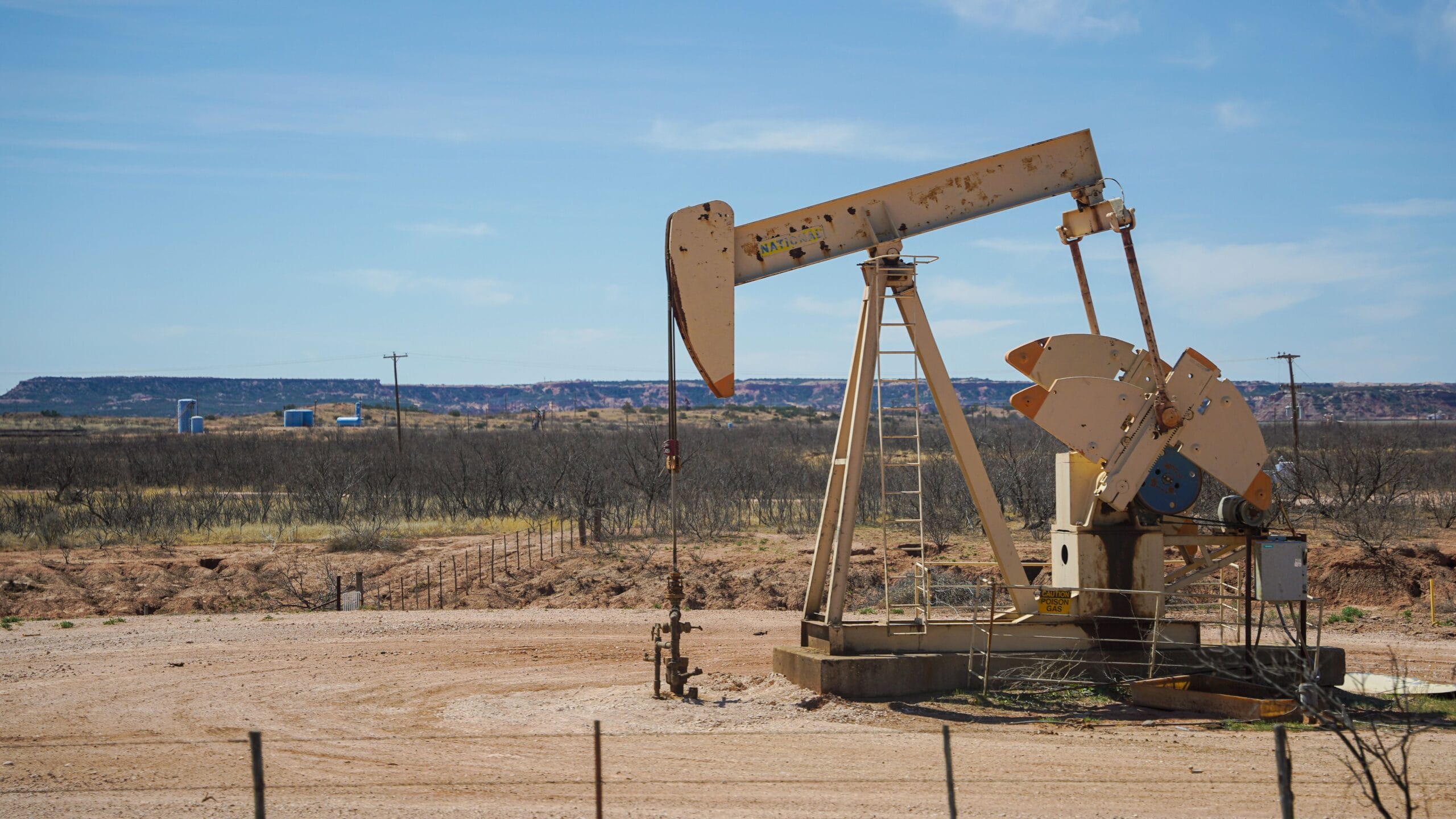
That budget tells you what kind of basin this is: maintenance capital, not growth capital, with more than half the projects being recompletions and workovers rather than new wells. A recompletion re-enters an existing wellbore and opens a different zone, lifting production on a well you are already paid from — no new lease, no new unit, no negotiation. It is the most common way a mature Rio Arriba royalty improves, and it is invisible until it reaches your statement.
What New Mexico Takes Before You Get Paid
On low-value dry gas, New Mexico’s production taxes bite harder in percentage terms than owners expect. Per the New Mexico Taxation and Revenue Department, production carries five separate levies:
- The Oil and Gas Severance Tax, a 3.75% base rate, with lower rates only for stripper well properties when average gas values are very low.
- The Emergency School Tax, 4% on natural gas and 3.15% on crude oil — gas carries the higher rate, which matters here.
- The Conservation Tax, 0.19%.
- The Ad Valorem Production Tax, a local mill rate applied to 50% of taxable value, so it varies with location.
- The Production Equipment Ad Valorem Tax.
Reduced severance rates exist for stripper well properties, 1.875% on gas at the lowest tier, but they apply only when the average annual taxable value of gas is $1.35 per Mcf or less, so in most environments they do not apply. A mistake to assume you are getting them.
The Six-Month Rule, Suspense, and the Clerk’s Office in Tierra Amarilla
Under the Oil and Gas Proceeds Payment Act (NMSA 1978, Section 70-10-3), proceeds must begin no later than six months after the first day of the month following first sale, and thereafter within forty-five days of the end of the calendar month in which the payor receives payment, unless a valid contract says otherwise. If your money sits in suspense past that date, Section 70-10-4 entitles you to interest at the Federal Reserve Bank of Dallas discount rate plus one and one-half percent.
Suspense here is usually a title problem, and heirship is the culprit: interests have often passed through three or four generations without probate being completed in New Mexico, leaving the operator unable to identify who to pay. The fix is recording. Deeds, affidavits of heirship, probate orders and mineral leases are recorded with the Rio Arriba County Clerk at 7 Main Street in Tierra Amarilla, with a second office at 1122 Industrial Park Road in Española. Clear title before approaching a buyer — an unclear chain either delays a sale or gets priced into the offer.

What Rio Arriba Interests Actually Trade For
First, what not to do: never take a per-acre number from Lea or Eddy County and apply it here. Those figures rest on multi-bench Delaware Basin oil economics and 20–25% lease royalties. Rio Arriba is a dry gas county with older leases, frequently at 12.5%.
For a producing interest, buyers generally start from a multiple of recent monthly royalty income, usually averaging the last three months. The widely used band runs from roughly 30 to 60 months, and where you land is driven almost entirely by decline: steep wells at the bottom, flat long-lived producers at the top or above it. Mature San Juan gas often screens better on that measure than owners expect.
A multiple is only a sanity check. A real offer comes from forecasting each well’s remaining production, applying your exact decimal, subtracting taxes and post-production costs, and discounting at a double-digit rate. Unleased or non-producing depths are valued separately and far more conservatively, since their worth rests on drilling that may never happen. For the mechanics of your own decimal and deductions, see our guide to understanding your royalty statement.
When Selling Is the Wrong Call
Plenty of Rio Arriba owners should keep what they have. If your interest produces steadily, your title is clean, you have no near-term need for capital and you can live with gas price swings, holding is perfectly rational — a flat decline curve is close to an annuity. If you hold unleased deep rights a future Mancos program could reach, selling now sells that optionality cheaply. Selling suits different circumstances: an interest split among heirs where individual checks are too small to administer, settling an estate or divorce, escaping the eventual plugging question, or preferring certainty to commodity-linked income. None of those require believing the basin is finished.
Getting a Real Number for Your Rio Arriba Interest
Any credible valuation starts with three things: a recent royalty statement showing your decimal and deductions, your chain of title, and a legal description of the tract. From those we can identify your zones and units and model the remaining curve on those specific wells.
Read more on our Rio Arriba County mineral rights page, compare it with neighboring San Juan County, or see the statewide picture in our New Mexico valuation guide. To talk it through with someone who knows the basin, get in touch — no cost, no obligation. If you own minerals elsewhere in New Mexico, see how to sell New Mexico mineral rights.
MINERAL RIGHTS & ROYALTIES
Ready to explore an offer for your mineral rights?
Tell us a little about your interest. Get a free, no-obligation review from Selling My Mineral Rights.