Blaine County, Oklahoma Minerals: What Changes When Your Operator Does
MINERAL RIGHTS & ROYALTIES
What could your mineral rights be worth?
Tell us a little about your interest. Get a free, no-obligation review from Selling My Mineral Rights.
For most Blaine County mineral owners, the biggest thing to happen to their interest in the past two years was not a new well. It was a change in the name at the top of the check stub. Two of the largest positions in the Anadarko Basin changed hands inside fourteen months, and many owners here are now paid by a company they have never heard of. Does that change what your minerals are worth? Mostly no — but there are exceptions, and one changed in Oklahoma law twelve days ago.
Two Sales in Fourteen Months, and a Merger on Top of Them
In August 2025 ConocoPhillips agreed to sell its Anadarko Basin assets to Flywheel Energy LLC, an Oklahoma City-based producer, for roughly $1.3 billion — about 300,000 net acres producing near 39,000 barrels of oil equivalent per day. That closed October 1, 2025. Seven months later Ovintiv sold approximately 360,000 net acres in west-central Oklahoma; its SEC filing names the buyer as MidCon II BuyerCo, LLC and reports the deal closed April 9, 2026 for about $2.8 billion. At announcement the press could describe that buyer only as undisclosed — itself a signal, because when acreage moves to a private entity you lose the quarterly earnings call that used to say what the operator meant to do with your rock. Devon also completed an all-stock merger with Coterra on May 7, 2026, Coterra continuing as a Devon subsidiary.
None of this tells you who operates your particular section, and the ConocoPhillips wells carried the Marathon Oil name for years before that, so old division orders often still show older names. If you hold a Blaine County mineral rights interest, the operator of record for each well is on file with the Oklahoma Corporation Commission — public record rather than guesswork.
What the Sale Did Not Change
A sale of leasehold is a sale of the lessee’s working interest. Your royalty was carved out ahead of it, created by your lease and by the deed or probate that put the minerals in your name, both recorded with the Blaine County Clerk in Watonga. A working interest changing hands does not reach back and move your title. Two things survive untouched:
- Your royalty decimal. It is a function of your net mineral acres in the unit, your lease royalty fraction and the unit size, and a change of payor alters none of the three. If it moves, ask in writing why, and sign nothing until the answer reconciles to arithmetic you can follow.
- Your lease terms. The deduction clause, the pooling clause, the shut-in provision, any Pugh clause — a new owner steps into the old owner’s shoes and cannot rewrite them with new paperwork.
What can change is administration: how quickly the new payor remits, how it categorizes post-production costs, how it uses suspense, and how it handles an address it is unsure of. That last one just became more expensive to get wrong.
Form 1073, and Why Section—Township—Range Is the Number to Know
Oklahoma does not let operatorship change quietly. Under OAC 165:10-1-15 the new operator must file Form 1073 with the Corporation Commission’s Conservation Division within thirty days of the transfer, signed by both operators. Where ten or more wells move together, Form 1073MW is used, listing for each well the API number, the well name and number, and the legal location by section, township, range and quarter-quarter-quarter calls. Two provisions deserve attention: the transferor stays responsible for the wells until the Commission approves the transfer, and the Division will not approve a transfer to an operator out of compliance with an enforceable Commission order.
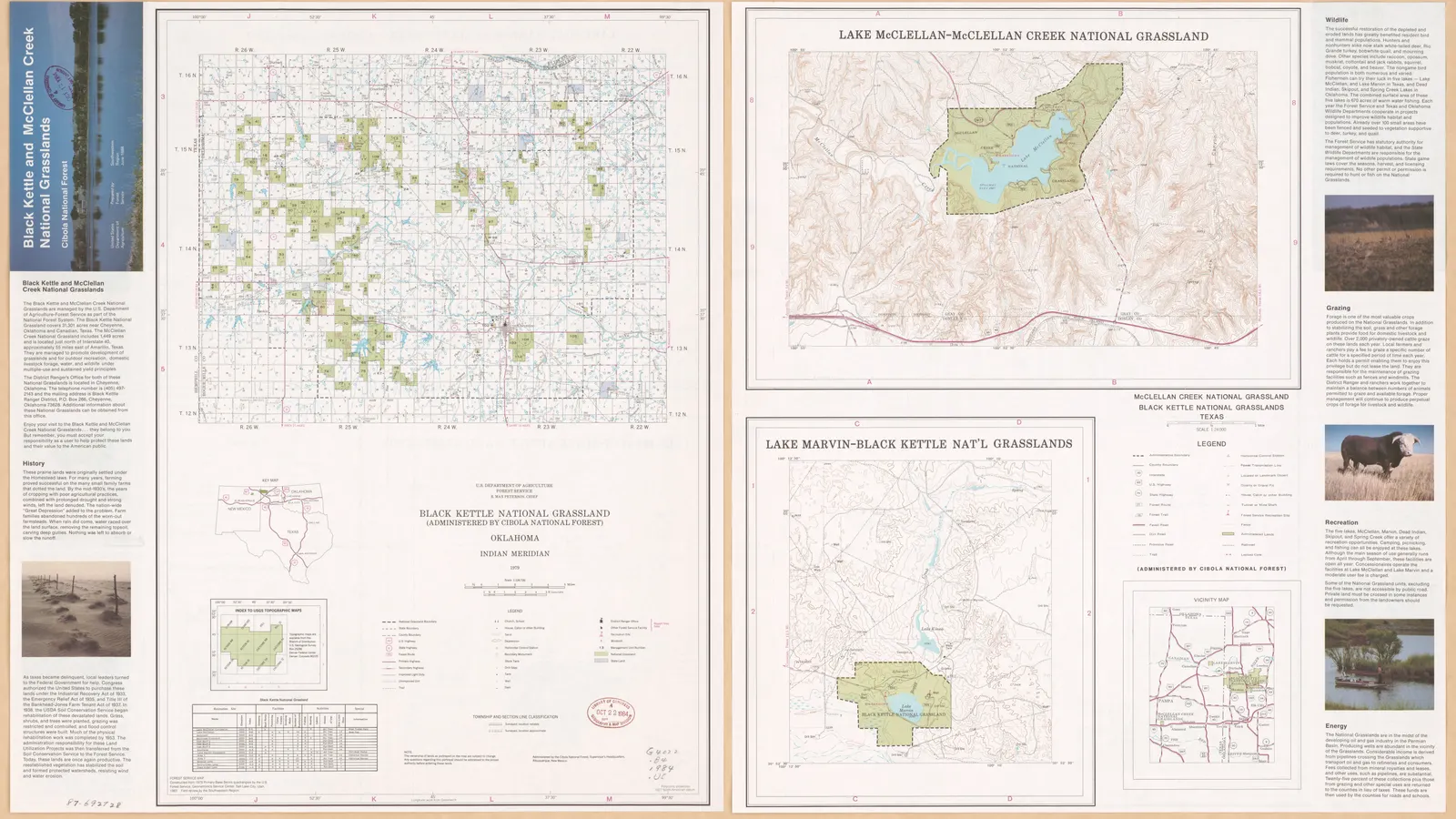
The lesson is about identity. Well names change when operators change and leases get re-badged; the API number and the legal description do not. Blaine County is surveyed off the Indian Meridian, and your interest lives at a section, township and range — the one identifier that will still find your minerals three owners from now.
Oklahoma Changed Its Late-Payment Rules on November 1, 2026
House Bill 1371, enacted in the 2026 session, amended the Production Revenue Standards Act at 52 O.S. § 570.10 effective November 1, 2026 — less than two weeks ago as this is written. Proceeds not paid within the statutory deadlines previously earned twelve percent per annum; under the amendment they earn fifteen percent, calculated from the end of the month in which the production was sold until the day paid.
The second change runs the other way, and it is the one to plan around. Where proceeds go unpaid because the check came back undeliverable, or because the owner never cashed it, they now stop earning interest after the date the check was mailed. The payor must keep records of mailing dates and copies of the undeliverable envelopes and checks, and the rule applies only to checks mailed to an address obtained after good faith and reasonable diligence. A transition is precisely when a stale address surfaces. Before November 1 that money still accrued interest while it sat; now it does not.
Unmarketable title is treated differently: the rate is the Wall Street Journal prime rate for periods on or after November 1, 2018, capped at six percent per annum, so an owner whose minerals sit in an unprobated estate should not expect the fifteen percent figure. The deadlines did not move — first payment within six months after first sale, then by the last day of the second succeeding month, or the third for gas royalty remitted through the operator. The practical response is small: send the new payor your current address and a signed W-9 in writing, keep a dated copy, and compare the first stub against the last one from the old payor, decimal by decimal.
What a New Owner Actually Changes About Value
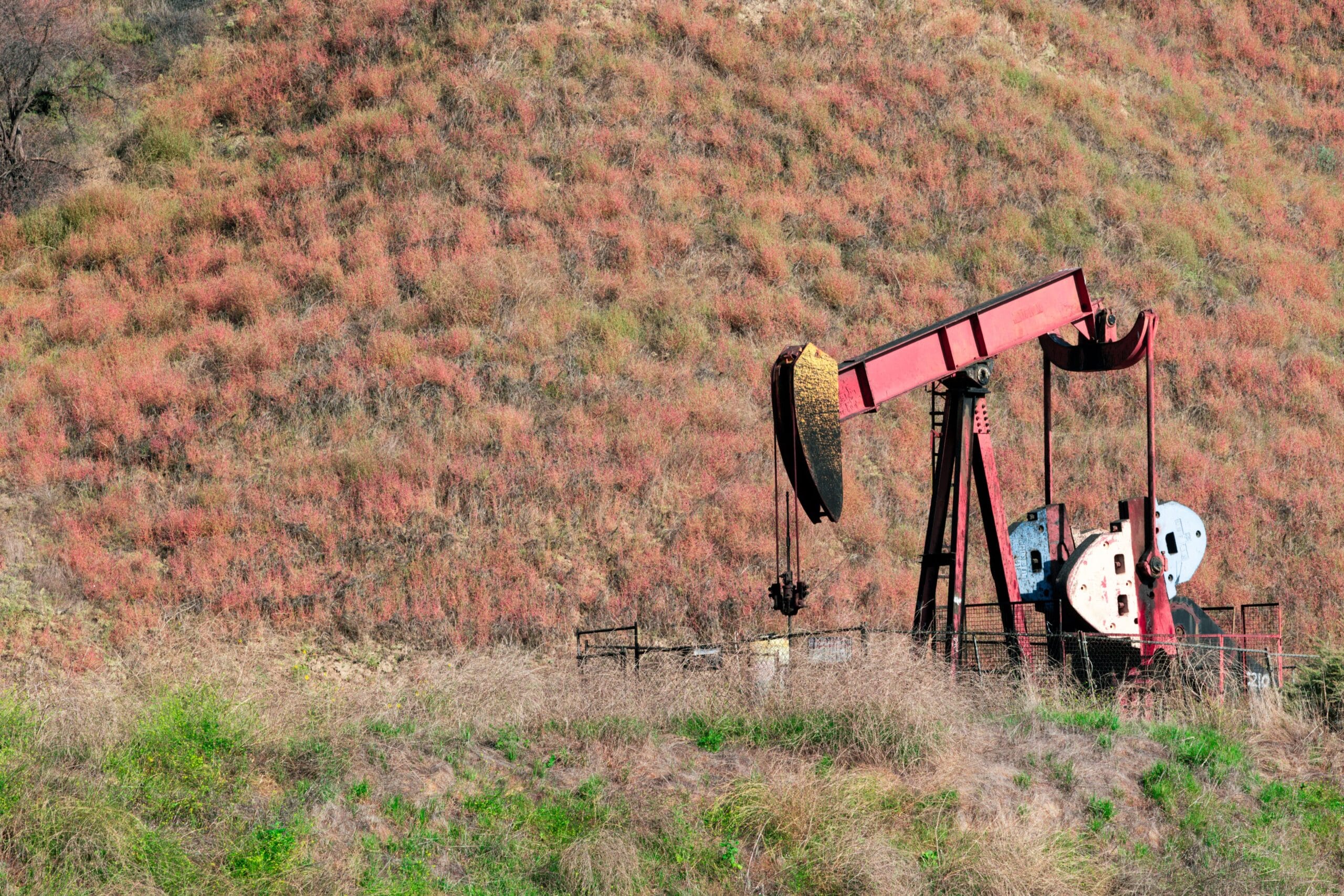
Buyers of large producing packages fall into two camps, and which one holds your acreage matters more than anything on this month’s stub. One buys to harvest: it runs the existing wells efficiently, spends little, and lets the decline curve do what it does. The other buys to redevelop. Blaine County sits in the Cana-Woodford fairway on the shelf of the deep Anadarko Basin, where the Woodford is generally described across the play at depths of roughly 8,000 to 16,000 feet, with the Mississippian intervals of the STACK — the Meramec and Osage — above it. Those undeveloped benches carry real option value, but only if somebody intends to drill them, and a private buyer filing no quarterly reports gives you far less visibility into that.
For wells from the 2016 to 2019 horizontal wave, the arithmetic is mostly about the tail. A horizontal Woodford or Meramec well declines steeply through its first two years, then flattens into a long shallow decline that runs for decades at a fraction of the early rate. Most of the money arrives early. If your wells are seven to ten years old you are in the flat part, and your interest is worth the discounted value of that remaining stream plus whatever a buyer will pay for undrilled benches. Anyone quoting a per-acre figure without asking which wells you are under, when they were completed and what your lease says about deductions is not valuing your minerals — they are quoting a number.
Deduction practice deserves attention during a transition, because post-production cost treatment varies between payors even under identical lease language, and one that nets back more aggressively reduces what you realize without touching your decimal. Owners southwest in the same trend face the identical question: a Custer County mineral rights interest sits on the deeper, gassier side of the same Cana-Woodford fairway, where netback arithmetic drives the check harder still. And because much of the acreage that just changed payors was the old Newfield-legacy STACK position, a Kingfisher County mineral rights owner is often reading the same transition this year.
When the Right Move Is to Wait
Some of the worst-timed sales happen in exactly this window, when an owner unsettled by an unfamiliar name takes the first offer that arrives. If a new operator has permits on file for your section, you hold something with a near-term catalyst, and the sensible thing is to learn what is coming before you price it. There are also good reasons to sell: small fractional interests split among many heirs often cost more in administration than they return, and an owner in the flat tail of a 2017 well may prefer certainty to twenty more years of shrinking checks. Either way it should be a decision about your decline curve, not a reaction to an unfamiliar name — made with your legal description, your decimal, your lease and the last twelve months of stubs in hand.
Talking to Us About a Blaine County Interest
We buy producing and non-producing minerals and royalties across the Anadarko Basin for cash, and we are glad to explain our arithmetic whether or not you sell to us. For a written offer on a Blaine County mineral rights interest, start on the county page and its short form. If you would rather talk through a transition or a division order first, or want to sell Oklahoma mineral rights elsewhere in the state, our contact page is the quickest way to reach us.
MINERAL RIGHTS & ROYALTIES
Ready to explore an offer for your mineral rights?
Tell us a little about your interest. Get a free, no-obligation review from Selling My Mineral Rights.