Why NGLs Drive Mineral Values in Doddridge County, West Virginia
MINERAL RIGHTS & ROYALTIES
What could your mineral rights be worth?
Tell us a little about your interest. Get a free, no-obligation review from Selling My Mineral Rights.
Two families in Doddridge County can hold the same net royalty acres under the same Antero unit and get very different offers. Neither is being cheated. The gap comes down to two things: how much of their gas is liquids rather than methane, and what their lease says about who pays to turn those liquids into something sellable. In this county, that second question is where the money is.
Some numbers first, because they explain the rest. In 2023 Doddridge produced 324.4 billion cubic feet of Marcellus gas from 529 wells, fourth in the state, according to the West Virginia Geological and Economic Survey’s production summary. The telling figure is liquids: 522 of those 529 wells reported them, 14.7 million barrels in all. Harrison County next door reported liquids from just 30 of its 177 producing wells. Some of that gap is how operators report NGLs; some of it is real, because the wet gas line runs between the two. Tyler County to the northwest leads the state in both gas and liquids, with Wetzel and Ritchie either side of Doddridge on the same trend. Across the Marcellus and Utica counties of West Virginia, the story varies mainly with how wet the gas is and how old the lease is.
Doddridge Sits Where the Gas Is Wet, Which Is Why Sherwood Was Built Here
The infrastructure proves the point. The Sherwood complex has processed gas since 2012 and is now one of the largest cryogenic complexes in the country, operated by MarkWest, now part of MPLX, with many of its newer plants owned through a joint venture with Antero Midstream. Nobody builds a dozen cryogenic trains for dry gas. They build them because the wellstream from Doddridge and eastern Harrison laterals is loaded with ethane, propane, butanes and natural gasoline that must be stripped out and sold separately.
The scale of that shows up in the operator’s own numbers. In the fourth quarter of 2025 Antero Resources reported $773.6 million in natural gas sales against $474.3 million in NGL sales and $34.8 million in oil, and realized a pre-hedge C3+ price of $35.41 per barrel. NGLs alone were about 37 percent of hydrocarbon revenue, and nearly 40 percent with oil included. For a Doddridge royalty owner that can mean more than a third of gross value rides on a product that must be gathered, processed, fractionated and shipped hundreds of miles before anyone pays.

Follow One Mcf From Your Tract to the Gulf Coast
Rich gas travels a long commercial road before it becomes a number on your check. It moves through gathering lines, is compressed and dehydrated, arrives at Sherwood, and is chilled until the heavier hydrocarbons drop out. What remains is residue gas bound for an interstate pipeline. What came out is a mixed Y-grade stream that goes to a fractionator, is split into purity products, and rides pipe or rail to Mont Belvieu on the Texas coast or Marcus Hook outside Philadelphia, where it is finally sold.
Every step costs money. Gathering, compression, dehydration, processing, fractionation and long-haul transportation are collectively post-production costs, and the question your check answers each month is who pays for that trip. If the operator pays, your decimal is applied to a big number; if you pay a share, to a much smaller one. On a Doddridge liquids tract, where the NGLs travel farthest and cost the most to move, that difference can be the majority of the argument.
West Virginia Answers That Question Unlike Any Other State
West Virginia follows the marketable product rule, and applies it more strictly than its neighbors. In Wellman v. Energy Resources and then Estate of Tawney v. Columbia Natural Resources in 2006, the Supreme Court of Appeals held that the lessee bears post-production costs unless the lease clearly says otherwise. Tawney set a three-part test: a lease must expressly provide that the lessor bears some part of the costs between wellhead and point of sale, identify the specific deductions with particularity, and state how they are calculated. Royalty calculated “at the well” does not clear that bar.
Operators spent years testing whether that held. In SWN Production Co. v. Kellam in 2022 the court confirmed Tawney remains good law. Then came Romeo v. Antero Resources, brought by owners in Harrison County against the same operator that dominates Doddridge. The court held in November 2024, and reaffirmed on rehearing on June 11, 2025, that the operator’s duty runs all the way to the point of sale rather than stopping at the first available market, and that it reaches natural gas liquids as well as residue gas. A McGuireWoods alert on the decision described the outcome as leaving West Virginia in a minority of one among producing states.
That rule is worth far more in a county whose liquids are fractionated out of state and shipped hundreds of miles than in one selling dry gas nearby.
The Flat-Rate Lease Wrinkle Peculiar to Old Doddridge Tracts
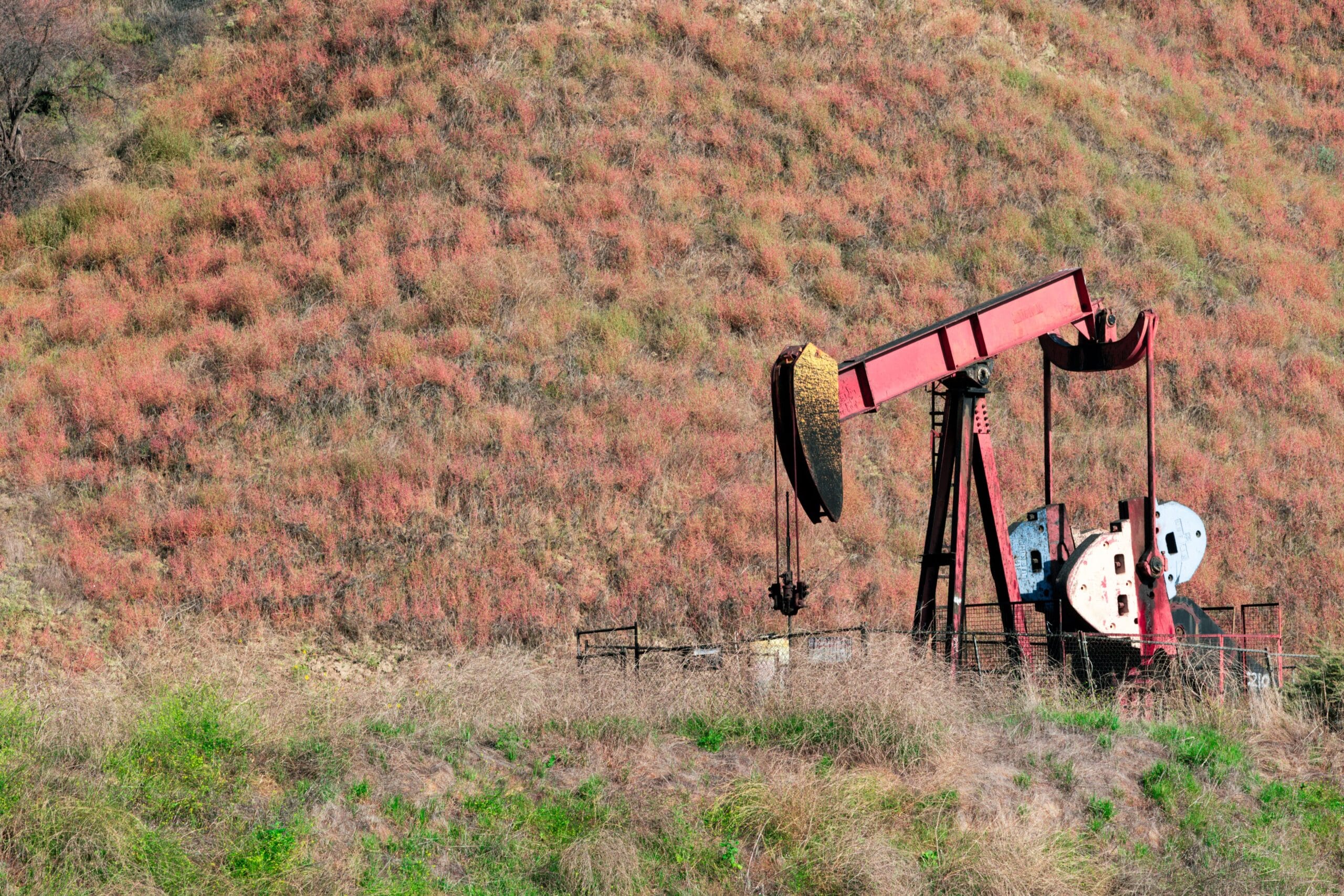
Long before the shale, this county was drilled hard. The West Virginia Geological and Economic Survey’s county record for Doddridge shows that in 1995 alone it had 1,785 gas wells producing about 9.1 billion cubic feet and 365 oil wells producing 38,867 barrels. Many tracts are still burdened by leases signed generations ago, some paying a flat annual sum per well rather than a share of production.
West Virginia handles those through W. Va. Code section 22-6-8, which conditions a new well work permit on the operator paying a production-based royalty instead of the old flat rate. The history cuts both ways. In Leggett v. EQT Production the court held in 2016 that the statute allowed no deductions, then on rehearing in 2017 reversed itself and permitted pro-rata deduction of reasonable post-production expenses. The Legislature responded in 2018 with Senate Bill 360, rewriting the statute to require not less than one-eighth of gross proceeds, free from any deduction for post-production expenses, received at the first point of sale to an unaffiliated third party in an arm’s length transaction. Federal courts have since held that amendment is not retroactive, so the permit date on the well under your tract can change the answer. If your interest traces to an early twentieth century lease, establish that date first.
How to Get the Best Price for Oil and Gas Rights in Doddridge County
A serious buyer builds a decline curve for each producing well under your tract, applies a forward price deck separately to gas, ethane, C3+ and condensate, subtracts the deductions it believes will actually be taken given your lease language, applies West Virginia’s 5 percent severance tax, and discounts the stream back to today. The offer is usually expressed as a multiple of recent monthly income, because that is the number owners can check.
What widens that multiple: heavy liquids exposure, a royalty clause that fails the Tawney test and therefore bars deductions, long reserve life, clean title, and undrilled inventory beneath you. What narrows it: a lease that expressly permits netback deductions, wells down the steep part of the decline, fractional interests with unclear heirship, and units with no near-term plans. Two neighbors with identical decimals can sit far apart on nothing but lease wording, which is why no honest buyer quotes a per-acre figure before reading the lease.
Do not confuse any of that with your property tax bill. The West Virginia Tax Division appraises royalty interests on an income approach that it says typically lands between 1.5 and 7 times one year’s income, and the county assesses at 60 percent of that. It is a tax convention, not an offer, and routinely well below what a producing liquids interest trades for. You can sell your mineral rights in Doddridge County for cash instead, and we can close in 30 days once title is clear.
Three Things to Pull Before You Take a Call
- Your lease and every amendment and ratification. These are recorded with the Doddridge County Clerk at 99 Court Street, Suite 115, West Union. Read the royalty clause against the three Tawney elements, and note the date.
- Twelve months of check detail, not just totals. You need lines breaking out residue gas, ethane, C3+ and condensate separately, plus the columns showing gathering, compression, processing, fractionation and transportation. If your statement shows only a net figure, ask the operator for it in writing.
- Your division order and decimal. Confirm the net royalty acres, the unit, and that the decimal truly reflects your undivided share after every generation of heirs.
When Holding Is the Better Decision
Two Doddridge-specific reasons to slow down. First, if your lease bars deductions and your operator still has undrilled inventory beneath you, you hold a stream likelier to improve than decay. Second, if deductions have been taken that a Romeo-style analysis would question, that claim generally travels with the interest when you convey it. Raise it with your attorney first: preserving it is a term you negotiate, not a default.
Selling tends to make sense for different reasons: an interest split so many ways among heirs that administration costs more than it returns, a need for certainty over a variable check, or an estate better settled cleanly than split into ever-smaller fractions.
Sell My Mineral Rights in Doddridge County, West Virginia: What We Offer
- An offer that counts the liquids. We buy direct as principals, with no broker and no commission. We work from your lease language, your decimal and each well’s decline, and we value the ethane and heavier liquids your statements show, not a per-acre rule of thumb. That is how we make strong, market-based offers and reach the best price for mineral rights in Doddridge County.
- Title handled in-house. We do the title work at our own expense and can close within 30 days once title is clear.
- We pay all closing costs. There are no fees to sell mineral rights to us, and nothing comes off the figure we quote.
- Straight answers. If your lease permits netback deductions and that caps what your interest is worth, we tell you rather than burying it.
Start on our Doddridge County, West Virginia page or get a free, no-obligation cash offer, or read how it works first. A check stub and an old deed is a normal place to begin.
MINERAL RIGHTS & ROYALTIES
Ready to explore an offer for your mineral rights?
Tell us a little about your interest. Get a free, no-obligation review from Selling My Mineral Rights.