
Allocation Wells and the Waha Discount: What Reeves County, Texas Minerals Are Worth
MINERAL RIGHTS & ROYALTIES
What could your mineral rights be worth?
Tell us a little about your interest. Get a free, no-obligation review from Selling My Mineral Rights.
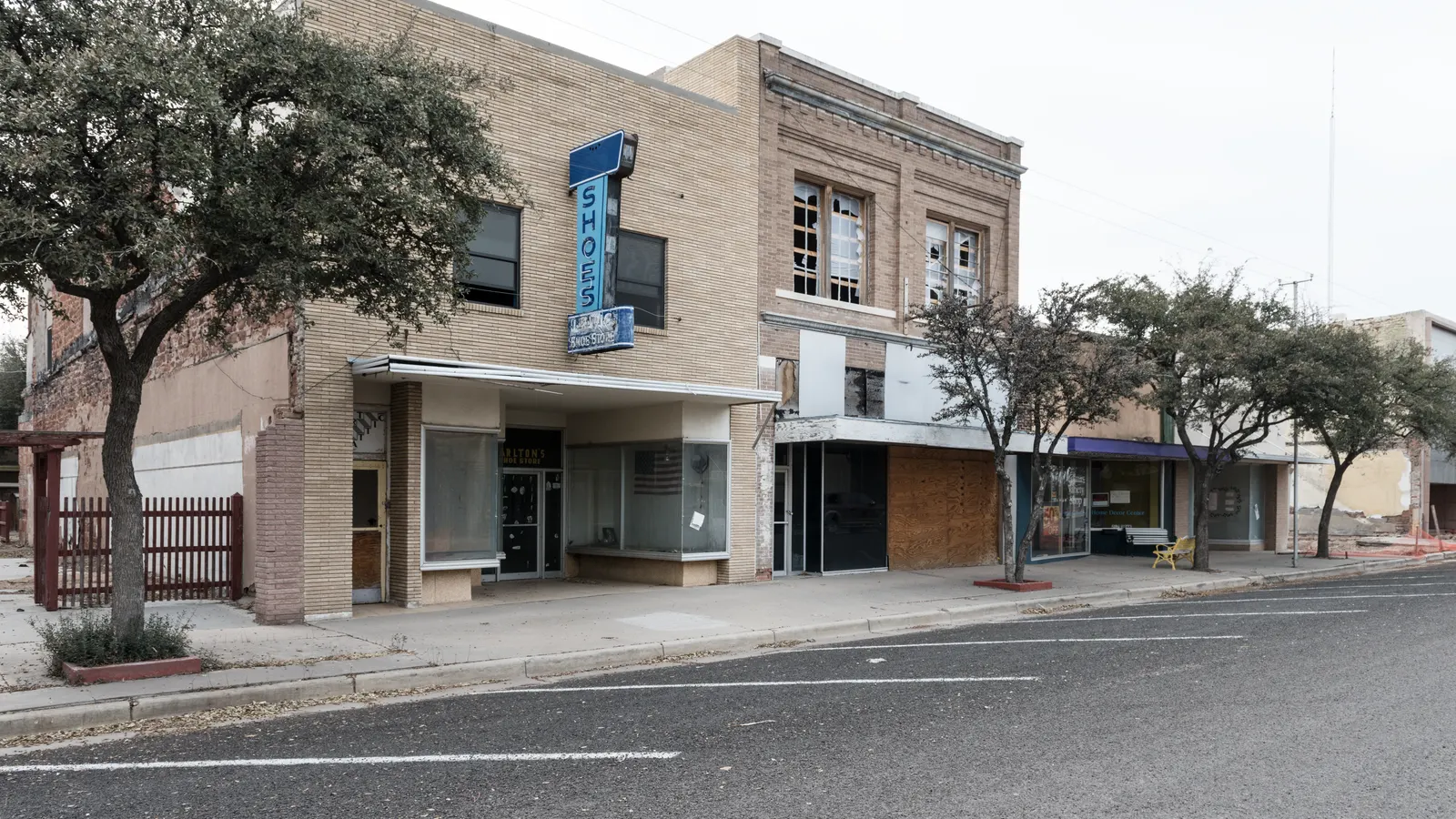
Two people can own the same net mineral acres in Reeves County, sign leases carrying the same royalty fraction, and open checks that differ threefold. The lease rarely explains the gap. In the Delaware Basin, where laterals run two and three miles across tract lines surveyed long before anyone drilled sideways, the two numbers that move a royalty check hardest are both decided outside the lease: how the operator splits a well’s production among the tracts its lateral crosses, and what the gas half of that production fetches at the Waha hub.
Texas Almost Never Force-Pools, and That Is the Whole Problem
Oklahoma and New Mexico handle a well crossing several tracts bluntly: a regulator issues a pooling order, everyone is brought into a unit, and production is shared on acreage whether the owners agreed or not. Texas does not work that way. Its only compulsory-pooling tool is the Mineral Interest Pooling Act of 1965, codified at Chapter 102 of the Natural Resources Code. It applies only after a fair and reasonable voluntary offer has been refused, carries real procedural hurdles, and is used relatively rarely.
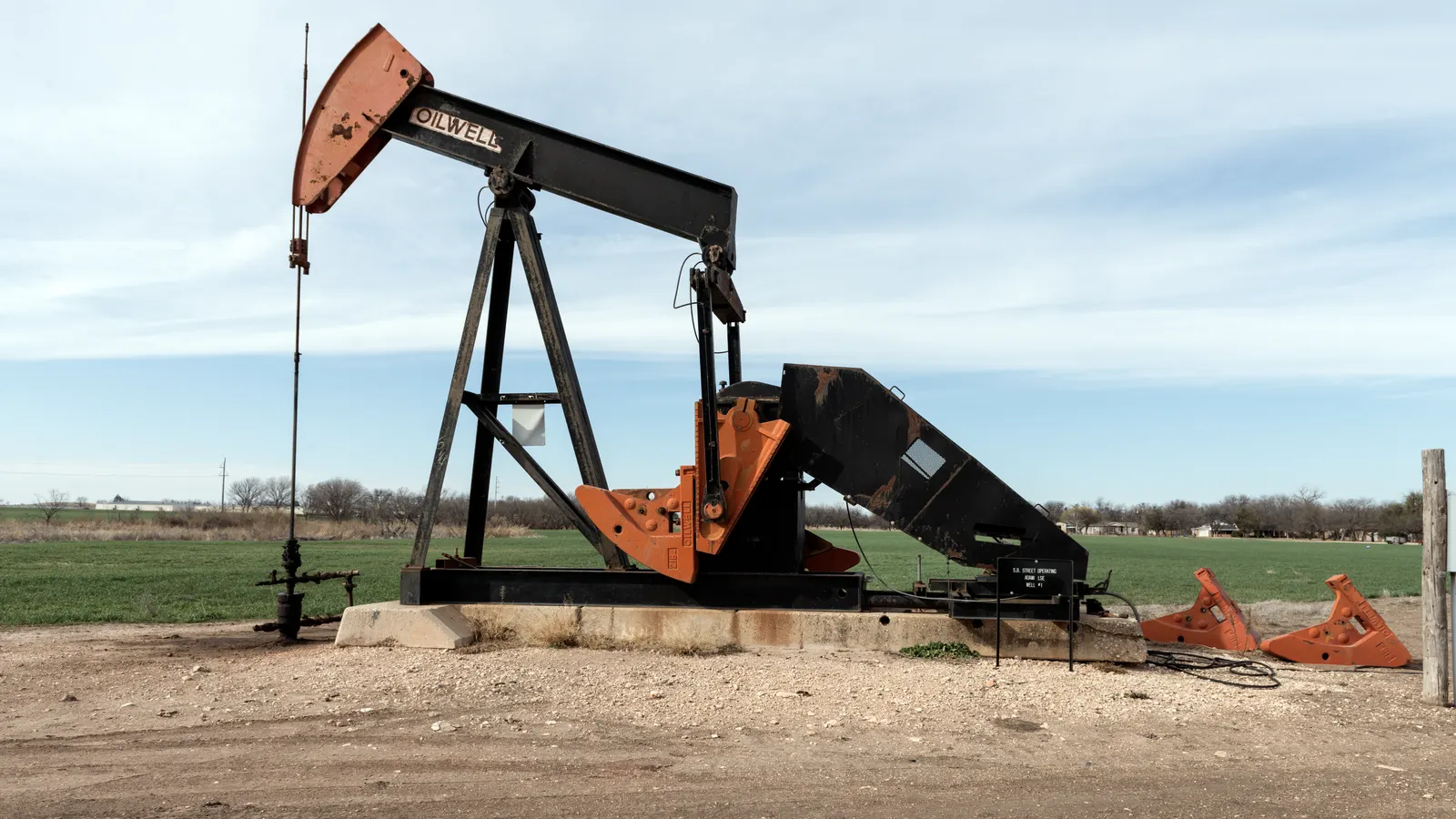
So if your Reeves County lease grants no pooling authority — and plenty of older West Texas leases grant none, or cap the unit far below the 640 or 1,280 acres a modern lateral needs — the operator generally cannot pool you. It drills anyway. The Railroad Commission issues a permit for an allocation well or a production sharing agreement (PSA) well, and production is divided by formula rather than by unit.
Productive Lateral Feet: How Your Decimal Is Actually Built
The standard allocation method is productive lateral feet: the operator measures how much of the completed, producing wellbore lies beneath each tract and assigns production in that proportion.
The arithmetic matters. Say you own 80 net mineral acres in a 640-acre section — 12.5% of the tract’s minerals — under a 22.5% royalty. A two-mile lateral is completed with 9,500 productive lateral feet, 3,800 of them under your section, an allocation factor of 40%. Your decimal is 0.125 × 0.225 × 0.40, or 0.01125. Shift the landing point so the factor becomes 55%, and the same acreage, lease and well pay 0.01547. Nothing in your lease moved.
The law here is unsettled. In the Opiela litigation the Austin Court of Appeals held that an operator’s consents to pool were no substitute for production sharing agreements signed by at least 65% in interest of the royalty owners. The Texas Supreme Court called for briefing, the parties settled in January 2025, and the case ended without a merits ruling. The Commission keeps issuing permits; no Texas high court has fixed the limits.
So check the work. The permit and plat on file with the Commission show the lateral path and the tracts it crosses, searchable through the RRC public GIS viewer; the instruments establishing what you own sit with the Reeves County Clerk at 100 East Fourth Street in Pecos. A division order tells you the decimal the operator calculated — not whether it is right.
What Is Actually Under Your Reeves County Acres
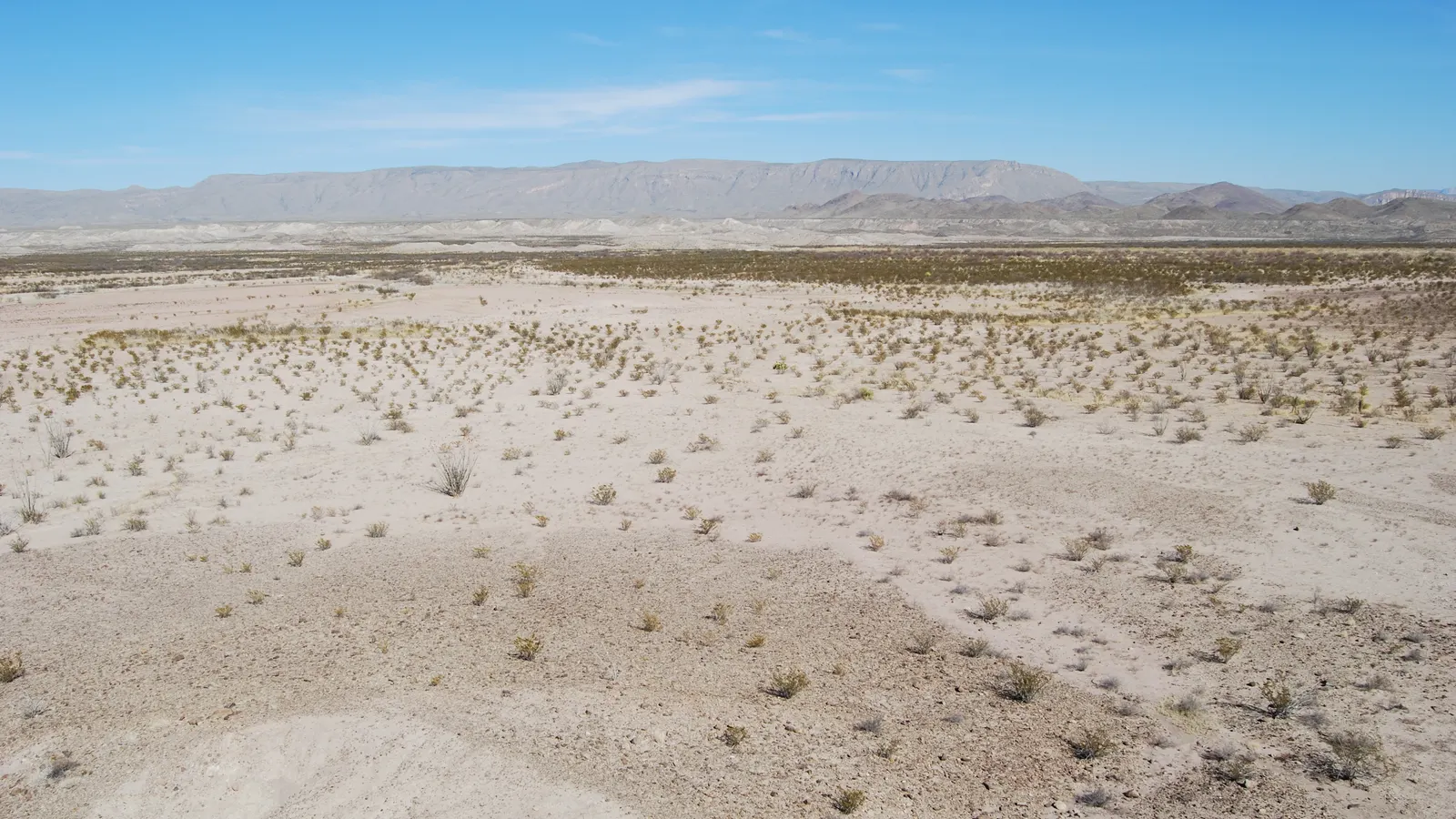
Reeves County sits in the Delaware Basin, the deeper western half of the Permian. The EIA’s geologic review of the Wolfcamp and Bone Spring plays describes a Bone Spring formation up to 4,000 feet thick, divided into the Avalon and the First, Second and Third Bone Spring, stacked above a Wolfcamp split into the A, B, C and D benches — intervals the USGS assessed in 2018 as among the largest continuous resources it has published.
So “developed” is not a yes-or-no condition here. An operator running cube development may complete three or four benches and leave two for later, which is why two neighbors with identical acreage can sit in very different positions — and why buyers price them very differently.
The Waha Problem: When Your Gas Is Worth Less Than Nothing
Reeves County is gassier than the Midland Basin counties east of it, and West Texas gas prices index to the Waha hub. The EIA reported Waha spot prices negative on 46% of trading days in 2024 through early September, touching minus $6.41 per million Btu on August 29 and averaging $2.07 below Henry Hub over that stretch, against 42 cents in the second half of 2021. The pattern returned in 2026: Waha’s next-day price stayed below zero from early February until mid-June, a record run, after setting a record low of minus $7.15 for March 10.
That is no accounting curiosity when it lands on your statement. Residue gas can contribute nothing, or worse than nothing, in a given month — and if your lease permits post-production deductions for gathering, compression, treating and transportation, those deductions do not stop when the price goes negative. Apache curtailed gas production at its Alpine High development in Reeves County in 2024 for exactly this reason. What carries the check in those months is usually the oil, condensate and NGLs.
Relief is arriving in pieces: Matterhorn Express added 2.5 Bcf/d of takeaway in 2024, Hugh Brinson’s first 1.5 Bcf/d phase entered service in mid-2026, and Blackcomb (2.5 Bcf/d) began commissioning in July 2026, so more pipe should narrow the discount without erasing it. Anyone valuing a gas-weighted Reeves County interest as though Waha trades at Henry Hub is valuing something that does not exist.
The Texas Line Items You Should Be Able to Explain
- Severance tax. Crude oil is taxed at 4.6% of market value plus an oil field clean-up fee of $0.00625 per barrel; natural gas at 7.5%. Your royalty bears its share.
- High-cost gas reduction. Deep Delaware Basin wells often qualify for the high-cost gas incentive, which cuts the gas severance rate on certified wells. It appears as a smaller tax deduction, not a credit line.
- Payment timing. Under Section 91.402 of the Natural Resources Code, first proceeds are due within 120 days of the end of the month of first sale; thereafter, absent contrary lease terms, 60 days for oil and 90 for gas.
- Ad valorem tax. Texas levies no state income tax, but a producing mineral interest is taxable property, assessed annually by the Reeves County Appraisal District. Out-of-state heirs are routinely caught out by the first bill.
What All This Does to an Offer
A buyer does not price your acreage. It prices a forecast: each well’s decline curve, a view on oil and on Waha-basis gas, an estimate of what is still undrilled beneath you, and a discount rate. The SEC’s reserve-reporting convention discounts at 10%; mineral buyers use higher rates, because a royalty carries commodity, operator and — in a county full of allocation wells — decimal risk.
Offers come back quoted as a multiple of recent monthly revenue — convenient shorthand and a poor way to think, because the multiple is an output, not an input. A brand-new Delaware Basin horizontal produces its steepest volumes in year one, so trailing revenue overstates the future and a competent buyer applies a low multiple; flattened ten-year-old wells justify a much higher multiple on much smaller cash flow. Gas weighting pulls the number down here. Undrilled benches pull it up, but only if the buyer believes an operator will reach them. Anyone quoting a per-acre figure before seeing your decimal, well list and deduction clause is quoting a guess.
When Selling Is the Wrong Move
If you suspect your allocation factor is wrong — the lateral looks longer under your section than the division order credits, or the operator re-permitted the well after you signed — resolve it before selling, because a sale locks in the low reading permanently. If your only wells came online in the last twelve months, you are selling where trailing-revenue offers look largest and represent least. And if you hold undeveloped benches under an operator drilling nearby, a cash-flow offer may not pay you for what has not happened yet.
Selling is right often enough — to settle an estate among heirs who do not agree, to stop managing a small decimal from out of state, to convert income that swings with a hub price you cannot control into a number you can plan around. Just decide it with your decimal, well list and lease clauses in front of you, not off a postcard.
Getting a Real Number on Your Reeves County Interest
We buy mineral rights and royalty interests in Reeves County for cash, and we will say plainly when holding looks like the better call. For an offer that shows its working — the wells, the decimal, the assumptions — start on our Reeves County mineral rights page or get in touch. Bring your latest royalty statement and lease; if you do not have them, we can usually pull the records. The same Waha exposure and allocation-well questions run through the rest of the Texas Delaware Basin, including our Loving County mineral rights page. If you own minerals elsewhere in Texas, see how to sell Texas mineral rights.
MINERAL RIGHTS & ROYALTIES
Ready to explore an offer for your mineral rights?
Tell us a little about your interest. Get a free, no-obligation review from Selling My Mineral Rights.